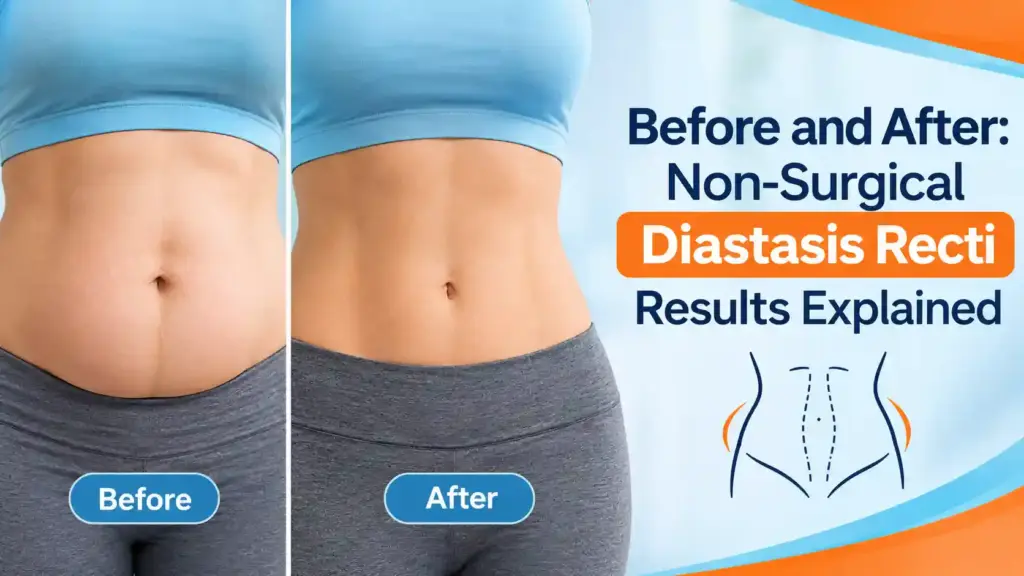
Changes to the stomach after pregnancy can be difficult to understand, particularly when your abdomen still looks rounded despite returning to exercise or reaching a comfortable weight. For some women, the reason may be diastasis recti, a condition involving separation of the abdominal muscles.
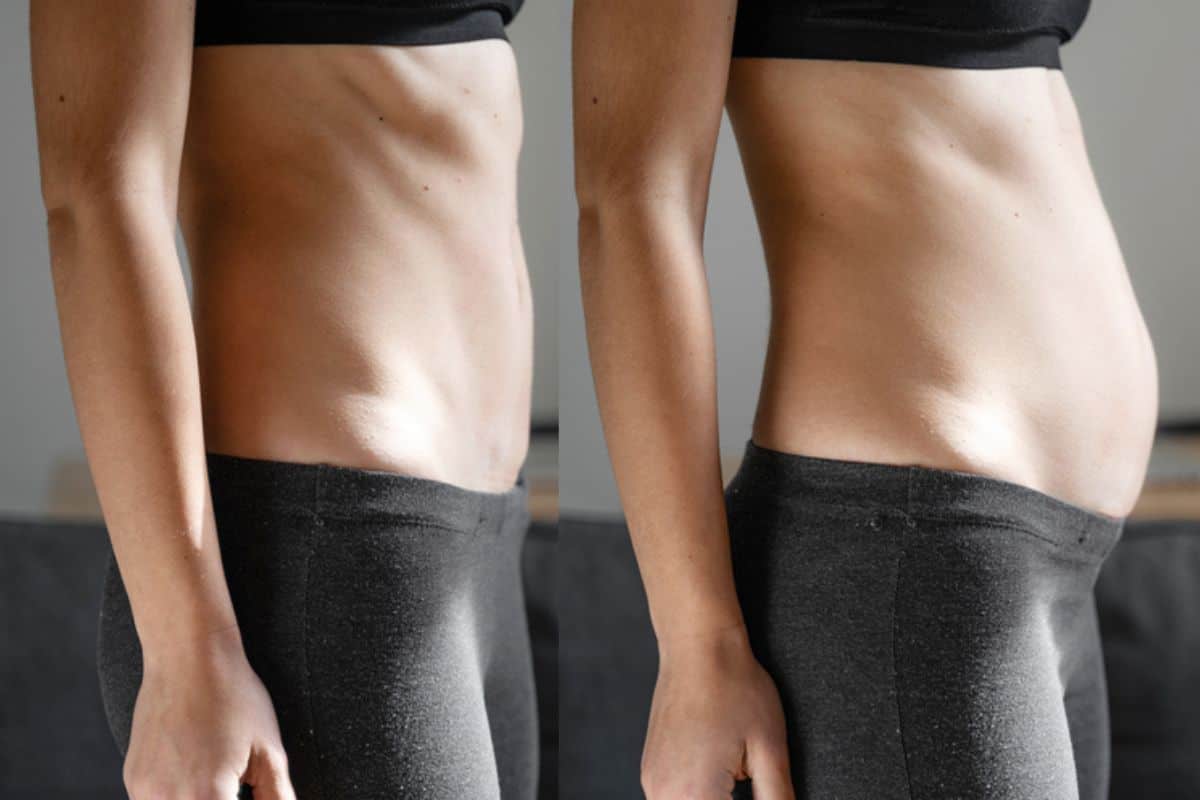
Looking at diastasis recti before-and-after photographs can help you understand the type of cosmetic changes people hope to achieve. However, it is important to know what these results actually represent, how non-surgical treatments work and what improvements are realistic.
At LA Lipo, we believe that understanding the difference between abdominal muscle separation, loose skin and stubborn fat is an important first step when considering treatment.
What Is Diastasis Recti and Why Does It Affect Your Stomach?
Diastasis recti, also called abdominal muscle separation, occurs when the two rectus abdominis muscles (the two long muscles running down the front of your stomach) move further apart. They are connected by a band of connective tissue called the linea alba.
As the baby grows during pregnancy, the abdominal wall stretches, which can cause the connective tissue between the muscles to widen.
While many people associate this condition with pregnancy, it can develop in individuals regardless of whether they have had children. Also Read: What Exercises Help Close Diastasis Recti (And What to Avoid)
Some noticeable signs include:
- A rounded or protruding stomach, even after weight loss.
- A ridge or bulge running down the middle of the abdomen.
- A visible change in abdominal shape when sitting up.
- Reduced confidence in the appearance of the stomach.
- A feeling of reduced core support.
Not every protruding stomach is caused by diastasis recti. Excess fat, loose skin, posture and other abdominal conditions can create a similar appearance.
A healthcare professional can assess suspected muscle separation and check whether another condition, such as an abdominal hernia, may be present.
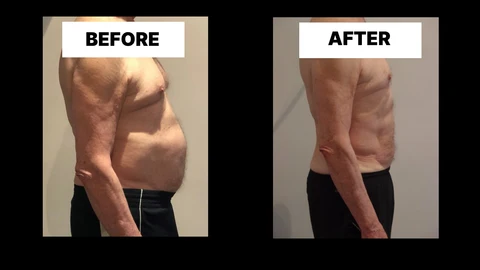
Diastasis Recti Before and After: What Changes Should You Expect?
Before-and-after photographs often attract attention because they show changes in abdominal shape. However, understanding what has actually improved is more important than simply comparing two pictures.
Someone with diastasis recti may have a visible central bulge, reduced abdominal definition or loose skin following pregnancy. After an appropriate treatment programme, the hoped-for cosmetic improvement may include a smoother-looking abdominal contour or better muscle definition.
However, there is an important distinction between improving the appearance of the stomach and physically repairing separated abdominal muscles. Check This Also: Can Men Get Diastasis Recti Too?
Non-surgical aesthetic treatments should not automatically be described as closing the gap or repairing the connective tissue. These outcomes require appropriate clinical evidence.
Results also vary according to several factors:
- The width and severity of the muscle separation.
- The condition of the abdominal connective tissue.
- Existing muscle strength and function.
- Skin firmness and the degree of loose skin.
- Number of previous pregnancies and how the body has recovered.
- The treatment used and the individual’s response.
A photograph cannot establish whether the distance between the abdominal muscles has reduced. It only shows visible changes in appearance.
For a meaningful comparison, photographs should be taken under similar lighting, posture, camera distance and abdominal positioning. Any published client photographs should also be genuine, representative and supported by appropriate consent.
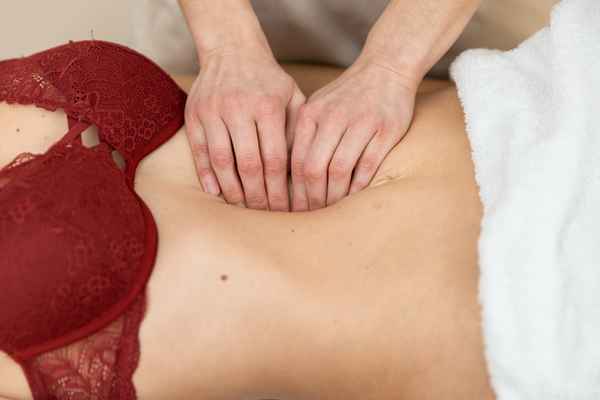
How Does Non-Surgical Diastasis Recti Treatment Work?
LA Lipo Reading offers LA-EMS Body Sculpting, which uses High-Intensity Electromagnetic Technology (HI-EMT) to produce strong muscle contractions.
The technology is designed to stimulate abdominal muscles without requiring conventional exercise movements. However, muscle contractions produced during a treatment are not the same as proving that separated abdominal muscles have rejoined.
It is particularly important to distinguish between muscle stimulation, muscle conditioning and the structural repair of diastasis recti.
The European Hernia Society recognises that evidence surrounding non-surgical management remains limited and recommends considering physiotherapy before surgical management where appropriate. [2]
After giving birth, NHS guidance recommends suitable abdominal and pelvic floor exercises. If the muscle separation is still noticeable, a physiotherapist can help guide recovery.
What about treatment duration and comfort?
LA Lipo Reading should confirm the recommended appointment length, number of sessions, expected sensations and recovery arrangements during an individual consultation.
Who May Be Suitable and What Are the Limitations?
Non-surgical treatment may appeal to people who want to explore options without undergoing an operation. However, suitability depends on the individual’s abdominal condition and treatment goals.
A person primarily concerned about abdominal appearance may have different needs from someone experiencing significant muscle separation, pain or reduced core function.
Before considering aesthetic treatment, it is sensible to establish whether the concern is caused by muscle separation, loose skin, excess fat or a combination.
Non-surgical muscle stimulation is not a replacement for medical assessment or a personalised physiotherapy programme. See This: Combining Treatments for Faster Post-Pregnancy Recovery.
It should also not be presented as an alternative to surgical repair when surgery is clinically indicated.
People with suspected hernias, significant abdominal discomfort, recent abdominal surgery or ongoing postpartum complications should seek appropriate medical advice before considering treatment.
Treatment-specific contraindications must also be checked. These depend on the actual equipment and manufacturer instructions, so an accurate suitability assessment is essential.
If you experience a painful abdominal lump, sudden severe abdominal pain, vomiting or a lump that becomes firm and cannot be pushed back, seek urgent medical attention. [3]
How Long Do Results Take and What Alternatives Are Available?
Everyone’s experience is different, so it is difficult to give an exact timeframe for non-surgical diastasis recti treatment.
Some women find that abdominal separation gradually improves in the weeks and months after giving birth. The NHS advises speaking to a GP if the separation persists. [1]
Physiotherapy is an important option because it can help address abdominal muscle function, movement and core control. A suitably qualified women’s health or pelvic health physiotherapist can recommend exercises based on an individual’s needs.
For more significant or persistent separation, a medical assessment may help establish whether surgical repair should be considered. Surgery generally involves bringing the separated abdominal muscles closer together and repairing the connective tissue.
It is worth remembering that losing weight, reducing abdominal fat and treating loose skin are different objectives from repairing diastasis recti.
At LA Lipo, a consultation should help establish whether LA-EMS Body Sculpting is appropriate for the cosmetic concern being discussed, without overlooking treatments or medical support that may be more suitable.
Frequently Asked Questions
Q: Can diastasis recti Reading improve without surgery?
Yes. Not everyone with diastasis recti needs surgery. After having a baby, the gap may get smaller as your body recovers. Some women also find that working on their core helps, although the exercises need to be right for them. A physiotherapist can help with that.
Q: Can non-surgical treatment completely close the abdominal gap?
This should not be assumed. Muscle stimulation may produce contractions, but that does not establish that the connective tissue has repaired or that the gap has closed. Reliable clinical evidence is needed to support such a claim.
Q: Can diastasis recti Reading affect men?
Yes. Although pregnancy is a common cause, abdominal muscle separation can also occur in men and other individuals.
Q: Is diastasis recti Reading the same as loose stomach skin?
Not quite. Diastasis recti Reading happens when the muscles in your abdomen move apart, stretching the tissue between them. Loose skin is different – it’s the skin that has lost some of its firmness after pregnancy. You can experience both at the same time, but they don’t have the same treatment options.
Q: Can I exercise if I have diastasis recti?
Having diastasis recti Reading doesn’t mean you have to stop exercising. The key is to choose movements that suit your current ability. Seek advice from a physiotherapist if you experience doming, discomfort or difficulty engaging your core.
Q: Can I have treatment years after pregnancy?
A previous pregnancy does not automatically rule out treatment. However, suitability depends on your current abdominal condition, health and treatment objectives. A proper assessment should come before any treatment decision.
Q: How is diastasis recti Reading diagnosed?
If you think you may have diastasis recti, a healthcare professional can examine your abdomen and check for a gap between the muscles. In some cases, an ultrasound may be recommended to get a clearer picture of the separation.
Q: Does diastasis recti Reading always need treatment?
Not necessarily. For many women, the separation becomes smaller as the body recovers after pregnancy. If you still notice a gap, a bulge or discomfort, speaking to your GP or a physiotherapist can help you understand whether you need any support.
REFERENCES & FURTHER READING
- NHS: Your Post-Pregnancy Body – Separated Stomach Muscles – Provides reliable postnatal information about diastasis recti, including natural recovery, suitable exercises and when to ask for help.
- European Hernia Society: Guidelines on Management of Rectus Diastasis – Summarises clinical recommendations for diagnosing rectus diastasis and considering physiotherapy or surgical management.
- NHS England: Making a Decision About Inguinal Hernia – Helps patients understand treatment options and the potential risks of hernia procedures.
- ASA/CAP: Before and After Photos – Explains the standards for authentic images, patient consent and advertising claims.
For Further Information, Please Call Us ON 03300 100 238