Cryolipolysis Fat Freezing Treatment Reading

Non-Surgical Fat Reduction and Body Contouring with LA LIPO

If there’s an area of your body you’d like to change, cryolipolysis may be an option worth exploring.
Also known as fat freezing, cryolipolysis is a non-surgical cosmetic treatment that uses controlled cooling to target localised fat deposits beneath the skin.
At LA LIPO, we offer cryolipolysis consultations and treatments across selected UK locations, including appointments in your own home where suitable.
Whether you’re interested in treating your stomach, thighs, upper arms or another area, we’ll talk you through the procedure, explain its limitations and discuss whether it’s appropriate for you.

Treatment Rooms

Arrange your treatment at one of our available UK treatment room locations, subject to local availability and suitability.

Home Visits

Prefer treatment at home? Selected treatments can be carried out in the comfort and privacy of your own home.
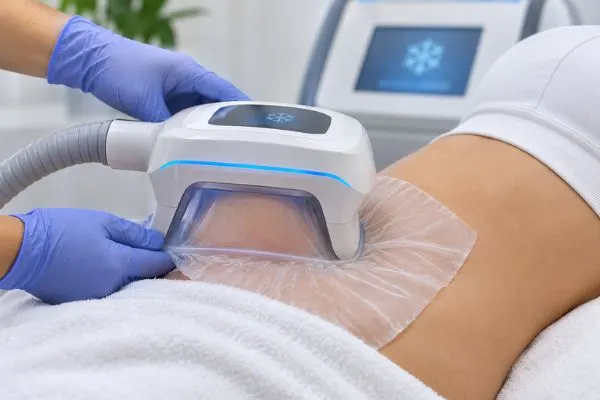
Cryolipolysis Fat Freezing 1

What Is Cryolipolysis?

Cryolipolysis is a non-invasive body-contouring procedure that uses low temperatures to target fat cells in a specific area.
The cooling process damages some of the fat cells beneath the skin. Over the following weeks and months, the body gradually processes these affected cells, which may reduce the thickness of the treated fat layer.
Unlike liposuction, cryolipolysis doesn’t involve surgical incisions or physically removing fat through suction.
However, fat freezing is not a weight-loss treatment. It’s intended to address selected areas of subcutaneous fat rather than reduce overall body weight.
Results vary by individual, and some people may see little or no noticeable change.

How Does Fat Freezing Work?

Cryolipolysis uses a specially designed applicator to deliver controlled cooling to a targeted area.
The treatment generally follows several stages.

1. Consultation and Assessment

Before arranging treatment, we’ll discuss the area you’d like to address, your medical history and any factors that might affect your suitability.
This is also an opportunity to ask questions about the procedure, potential complications, costs and expected outcomes.

2. Preparing the Treatment Area

If treatment is suitable, the practitioner identifies the treatment area and prepares the skin.
Depending on the equipment and treatment protocol, a protective barrier may be applied before the practitioner positions the cooling applicator.

3. Controlled Cooling

The applicator cools the underlying fatty tissue for a specified period.
You may notice pulling, pressure, intense cold, tingling or discomfort as treatment begins. The area can become numb during the procedure.

4. After Your Appointment

The treated area may look red or swollen and can feel tender, bruised or temporarily numb.
Over the following months, some people notice a change in the contour of the treated area as the body processes the affected fat cells.
There is no guarantee of a particular reduction, and additional treatment may not always be appropriate.

Which Areas Can Be Treated with Cryolipolysis?

Fat freezing is commonly used to address localised deposits of subcutaneous fat.
Depending on the equipment used and your individual assessment, areas considered for treatment may include:
Not every area is suitable for cryolipolysis. Treatment depends on the amount and distribution of fat, skin condition, the available applicator, and your medical history.
Cryolipolysis does not treat internal or visceral fat, and it is not a substitute for weight management or obesity treatment.

Cryolipolysis at Home with LA LIPO

We understand that attending a treatment appointment isn’t always convenient, particularly when you’re balancing work, family commitments and everything else that comes with a busy week.
That’s why LA LIPO offers mobile cryolipolysis appointments across selected UK locations.
Where treatment at home is suitable, our practitioner can bring the necessary equipment to your property and carry out the procedure in an appropriate private space.
Before confirming a home appointment, we’ll discuss the treatment requirements, available space and any practical considerations.
The same suitability checks and discussion of treatment risks are important whether your appointment takes place at home or in a treatment room.
Home treatment availability depends on your location and individual circumstances.

Who Might Be Suitable for Fat Freezing?

Cryolipolysis may be considered by adults who want to address a particular area of localised fat and understand that results vary.
It is generally better suited to body contouring than to overall weight reduction.
However, not everyone is suitable.
Cryolipolysis should not be carried out on people with certain cold-sensitive medical conditions, including cryoglobulinaemia, cold urticaria and paroxysmal cold haemoglobinuria.
Other factors, such as poor circulation, reduced skin sensation, pregnancy, breastfeeding, an existing hernia, previous surgery or certain medical conditions, may also affect suitability.
Your practitioner should review your medical history and the proposed treatment area before deciding whether treatment can proceed.
If there’s any uncertainty, you may need medical advice before considering cosmetic treatment.

What Results Can You Expect from Cryolipolysis?

Changes following fat freezing are gradual rather than immediate.
Some people notice a difference after several weeks, while the treated area may continue to change over the next three to six months.
The extent of any reduction depends on several factors, including the treatment area, individual response and the equipment used.
Not everyone experiences a noticeable improvement, and the procedure cannot guarantee a specific reduction in fat, clothing size or body measurements.
Cryolipolysis also doesn’t prevent future weight gain. Remaining fat cells can increase in size if body weight changes.
During your consultation, we’ll discuss what the treatment is intended to achieve and whether it is likely to match your expectations.

Cryolipolysis Side Effects and Risks

Although cryolipolysis doesn’t involve surgery, it is not risk-free.
Common temporary effects may include:
  • Redness, swelling and bruising
  • Tenderness or aching
  • Tingling or altered skin sensation
  • Temporary numbness
  • Discomfort in the treated area
Less common complications can include persistent pain, prolonged numbness, changes in skin colour, contour irregularities, nerve injury and cold-related skin damage.
A rare but important complication is paradoxical adipose hyperplasia (PAH), where fatty tissue in the treated area becomes larger rather than smaller. It can develop several months after treatment and may require specialist medical assessment or surgical correction. The likelihood varies by device and study, and you should discuss this risk before treatment.
Severe complications may require medical assessment or treatment.
Your practitioner should explain the relevant risks before treatment and advise you on what to do if you experience unexpected symptoms afterwards.

Cryolipolysis vs Liposuction: What's the Difference?

Unlike liposuction, cryolipolysis does not require surgical incisions. Recovery experiences vary, and some people may experience swelling, bruising, tenderness or other side effects that temporarily affect their normal activities.

How Many Fat Freezing Sessions Will I Need?

There isn’t a standard number of cryolipolysis sessions that works for everyone.
Some people choose to have one area treated, while others may consider further treatment following an assessment of their response.
The number of sessions, the areas that can be treated together and the interval between appointments depend on the equipment, treatment protocol and individual suitability.
Further treatment doesn’t guarantee a better result.
We’ll explain the proposed treatment plan and associated costs before you decide whether to proceed.

Cryolipolysis Prices with LA LIPO

The cost of fat freezing depends on the number of areas being considered, the treatment plan and any applicable offers.
Before confirming your appointment, we’ll explain the full treatment cost, including any consultation fees, deposits or additional charges that may apply.
We’ll explain the available options and confirm the relevant charges before booking your appointment.
If you’re interested in at-home treatment, we can also check availability in your area.

Cryolipolysis Frequently Asked Questions

Find answers to some of the most common questions about Cryolipolysis, including how it works, what to expect, results and suitability.

Yes. Cryolipolysis is the clinical term for a procedure commonly called fat freezing. It uses controlled cooling to target subcutaneous fat cells in selected areas of the body.
Cryolipolysis is intended for localised fat reduction and body contouring, not overall weight loss. Changes in the treated area may occur without a significant difference in body weight.
It is not an obesity treatment.
Experiences vary. Some people describe cold, pressure, pulling or tingling during treatment. Others experience discomfort or aching afterwards.
The area may become numb during the cooling process, but this doesn’t mean treatment is entirely painless.
Treatment time varies depending on the equipment, the area being treated, and the number of applicators required.
A single treatment cycle commonly takes around 35–60 minutes, although your overall appointment may be longer to allow for assessment, preparation and aftercare.
LA LIPO can confirm the expected appointment duration before treatment.
Results are not immediate. Some people notice changes within several weeks, while further changes may develop over three to six months.
The amount of reduction varies, and some people may not see the improvement they hoped for.
The body may gradually clear fat cells affected by treatment. However, cryolipolysis does not prevent future weight gain, and remaining fat cells can enlarge.
Long-term appearance depends on several factors, including changes in body weight.
Cryolipolysis may be considered for suitable fat deposits beneath the skin around the abdomen.
It cannot target visceral fat, which lies deeper in the abdomen around internal organs.
A consultation is needed to determine whether the area you want treated is suitable.
The flanks, often called love handles, are among the areas commonly considered for cryolipolysis.
Suitability depends on the amount and distribution of subcutaneous fat, skin condition and the equipment being used.
Cryolipolysis primarily targets fat, not loose skin.
It should not be presented as a reliable skin-tightening treatment. People with significant skin laxity may find that fat reduction does not address their main concern.
Cryolipolysis is not primarily a cellulite treatment, and you should not assume it will improve cellulite.
Cellulite involves changes in the relationship between fat, skin and connective tissue. Reducing localised fat does not necessarily improve its appearance.
Cryolipolysis has been studied as a non-surgical fat reduction procedure, but it carries risks.
Temporary swelling, bruising, tenderness and numbness can occur. Less common complications include cold burns, prolonged nerve symptoms and paradoxical adipose hyperplasia.
A suitable assessment, appropriate equipment and informed consent are important.
Paradoxical adipose hyperplasia, or PAH, is an uncommon complication in which the fatty tissue in the treated area increases rather than decreases.
It may become noticeable several months after cryolipolysis and can require specialist medical assessment. In some cases, surgeons may consider surgical treatment.
Anyone who notices an unusual, persistent enlargement or firm bulge after treatment should seek medical advice.
Many people can return to normal activities shortly after treatment, but this depends on how they feel.
Some experience tenderness, swelling, bruising, or discomfort that temporarily affects their activities.
Your practitioner should explain what to expect and when to seek further advice.
Certain conditions may make cryolipolysis unsuitable, particularly conditions involving abnormal reactions to cold.
Other health concerns, previous surgery, medication or changes in skin sensation may require additional assessment.
Always provide an accurate medical history before treatment. If necessary, your practitioner may recommend obtaining advice from an appropriate healthcare professional.
Cryolipolysis is generally not recommended during pregnancy or breastfeeding because there is insufficient evidence to establish its safety in these circumstances.
Discuss with a qualified healthcare professional when cosmetic treatment may be appropriate.
LA LIPO offers mobile appointments in selected UK areas, subject to suitability and practical requirements.
Before confirming treatment, the team will check your location and whether an appropriate space is available.
Contact LA LIPO to discuss the area you’re interested in treating and arrange an initial consultation.
We’ll explain the available options, check appointment availability and provide information about costs and the next steps.

Book a Cryolipolysis Consultation with LA LIPO

Considering non-surgical fat reduction but unsure whether cryolipolysis is right for you?
Our team can explain how the treatment works, discuss the areas you’re interested in and help you understand the possible benefits, limitations and risks.
With appointments available across selected UK locations, including suitable home-based treatments, we aim to make consultations more convenient.
All treatments are subject to individual suitability. Results vary, and we can’t guarantee any particular outcome.